

Balancing Justice: Salaries for Parole and Probation Officers
Parole and Probation Officer Salary: Top Insights 2024
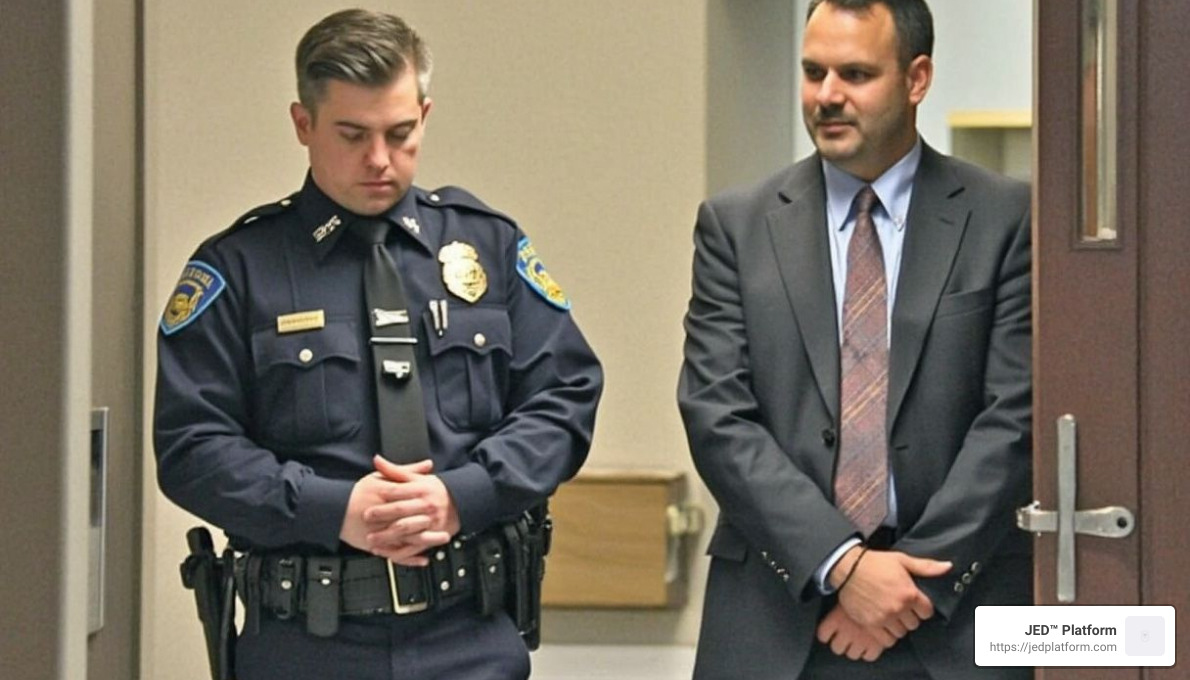
Parole and probation officer salary is a hot topic these days, especially for those looking to understand the financial outlook of pursuing a career in the criminal justice field. Whether you’re a professional considering a career shift or a government agency in need of pretrial solutions, knowing the salary expectations is crucial. Here’s the quick rundown:
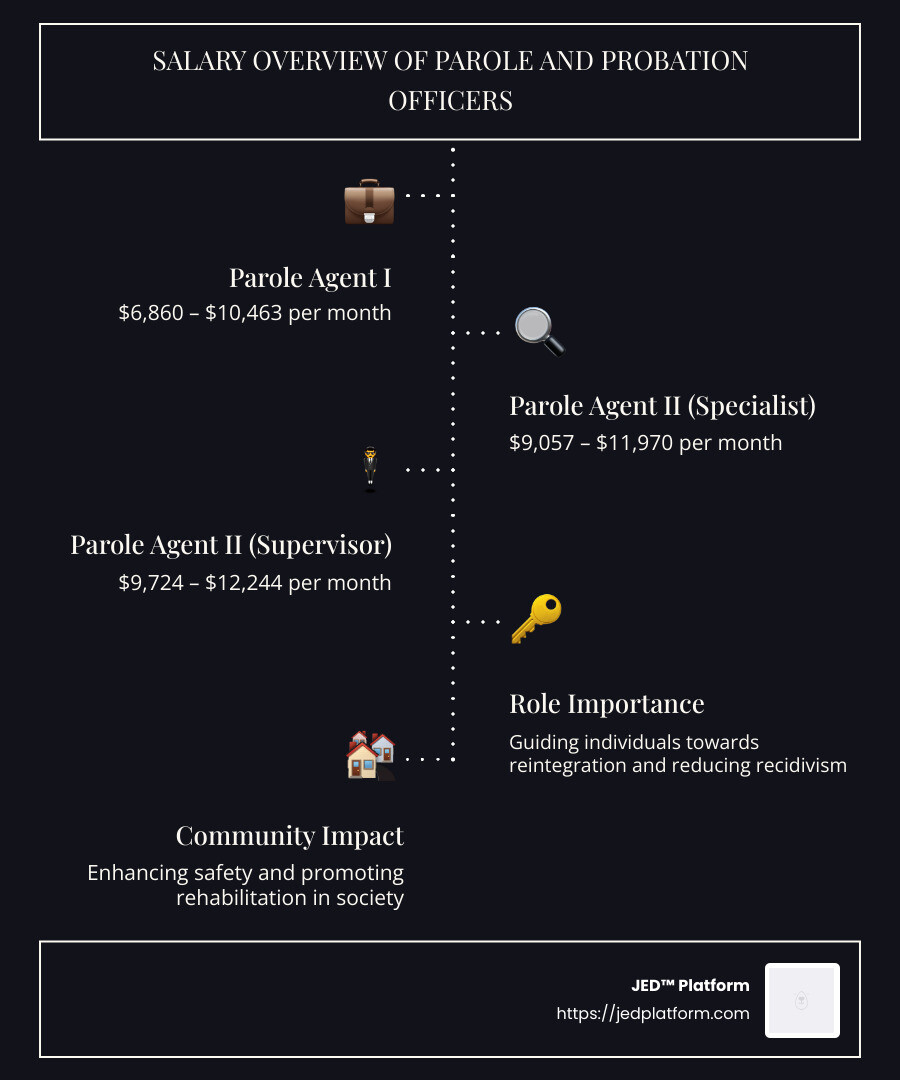
- Parole Agent I: $6,860 – $10,463 per month
- Parole Agent II (Specialist): $9,057 – $11,970 per month
- Parole Agent II (Supervisor): $9,724 – $12,244 per month
Balancing justice and promoting rehabilitation are at the heart of what parole and probation officers do. They are crucial in guiding individuals convicted of crimes toward successful reintegration into society. By offering supervision and support, parole and probation officers help reduce recidivism and improve community safety, making their roles vital in the criminal justice system.
Understanding the salary landscape for these positions not only highlights the financial incentives but also underscores the importance of their work within the broader scope of criminal justice and rehabilitation.
Simple parole and probation officer salary glossary:
– how to become a probation officer career and salary information
– what is the average salary for a juvenile probation officer
– probation service officer salary
Understanding the Role of Parole and Probation Officers
Parole and probation officers play a vital role in the criminal justice system. They are tasked with supervising and supporting individuals who have been convicted of crimes, with the ultimate goal of helping them reintegrate into society successfully.
Key Duties
These officers have a range of responsibilities. They interview and evaluate their clients to develop personalized rehabilitation plans. This involves meeting with probationers and parolees, often at their homes or workplaces, to assess their progress and compliance with court-ordered conditions. Officers also connect clients with resources like job training or substance abuse counseling, which are crucial for rehabilitation.
Additionally, they are responsible for monitoring compliance. This can include drug testing, electronic monitoring, and ensuring that clients attend mandatory meetings or counseling sessions. They also prepare reports and maintain case files, which are essential for tracking progress and making informed decisions about each individual’s path forward.
Supervision and Community Safety
Supervision is a cornerstone of their work. Parole and probation officers ensure that individuals are not a danger to the community while on probation or parole. They maintain regular contact with clients and their families, which helps in monitoring behavior and providing support. This contact can be through phone calls, office visits, or home checks, all aimed at fostering a safe and supportive environment.
Rehabilitation Plans
Creating effective rehabilitation plans is another critical aspect of their job. These plans are custom to each individual, focusing on addressing specific needs and risks. By providing access to resources like job training and counseling, officers aim to change behaviors and reduce the likelihood of re-offending.
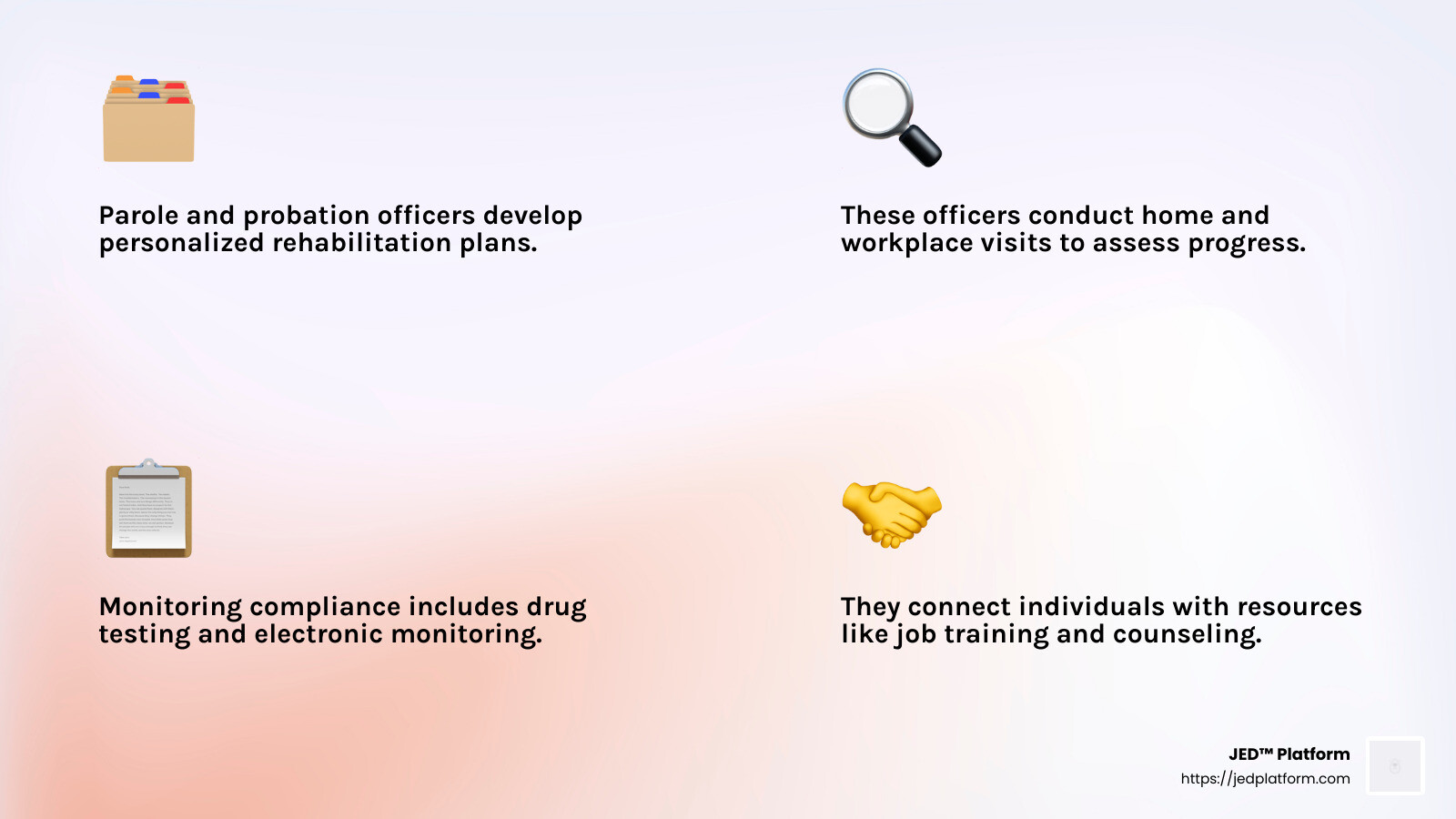
In summary, parole and probation officers are essential in balancing justice with rehabilitation. They provide supervision, develop personalized plans, and connect individuals with resources, all of which are crucial for reducing recidivism and enhancing public safety.
Parole and Probation Officer Salary Overview
When it comes to parole and probation officer salary, there’s a lot to consider. These officers are crucial in the criminal justice system, and their compensation reflects the complexity and importance of their role.
Average Salary
In California, the median salary for probation, parole, and juvenile probation officers is reported to be $75,780. This figure provides a general idea of what officers can expect to earn, but actual salaries can vary widely based on several factors.
Pay Ranges
For parole agents in California, salaries are structured based on experience and position level. Here’s a breakdown:
- Parole Agent I:
- $60,396 to $69,900 for those with 1-5 years of experience.
- $63,420 to $73,392 for 6-10 years.
- $73,140 to $88,824 for 11-15 years.
-
Salaries can increase to $93,264 with over 20 years of experience.
-
Parole Agent II (Specialist and Supervisor roles):
-
$80,232 to $97,452 for 1-10 years, with potential to reach $102,324 later in the career.
-
Parole Agent III:
- Salaries range from $90,420 to $109,920, reflecting the higher responsibility and expertise required for this role.
Top Earners
Top earners in the field typically hold senior positions like Parole Agent III, where salaries can reach nearly $110,000. These roles require extensive experience and often involve supervising other officers or handling high-profile cases.
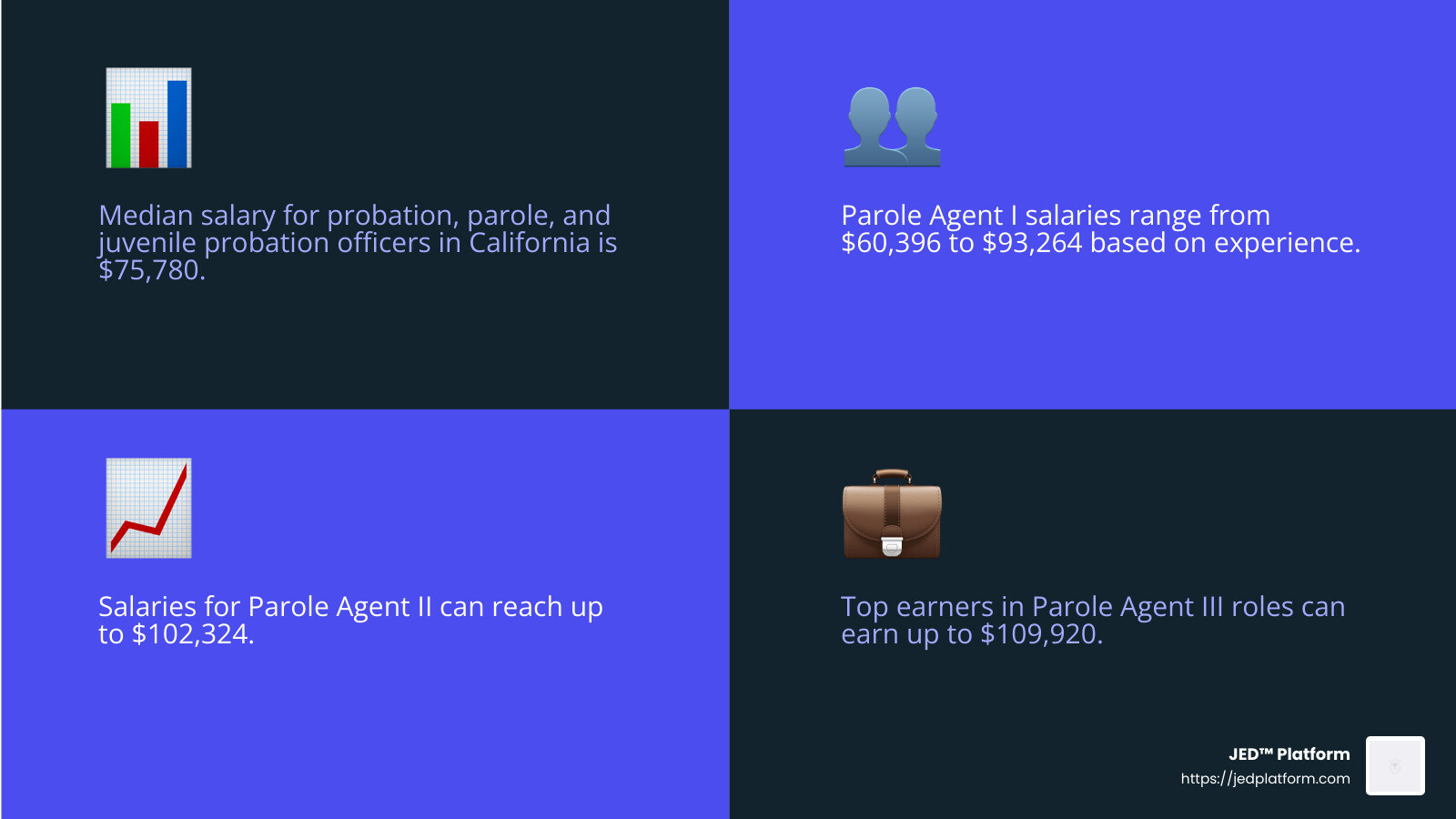
This structured salary progression underscores the importance of experience and specialization in this field. As officers gain more experience and take on greater responsibilities, their compensation reflects their increased value to the justice system.
In the next section, we’ll explore the factors that influence these salaries, including how experience, location, and education play a role in determining compensation for parole and probation officers.
Factors Influencing Salaries
Several key factors impact the parole and probation officer salary. Understanding these elements can help explain why pay varies so much for these roles.
Experience
Experience is perhaps the most significant factor. Officers with more years on the job tend to earn higher salaries. For instance, a Parole Agent I in California with 1-5 years of experience can earn between $60,396 and $69,900, while those with over 20 years can see salaries rise to $93,264. Experience brings expertise, which is valuable in handling complex cases and responsibilities.
Location
Where you work matters a lot. Salaries can differ significantly from one place to another. For example, California offers some of the highest salaries in the country for these roles. This is partly due to the higher cost of living in areas like Los Angeles and San Francisco. In contrast, other states may offer lower salaries because the cost of living is less.
Education
Education also plays a role in salary determination. Officers with higher education levels, such as a bachelor’s or master’s degree in criminal justice or a related field, may have an edge. Advanced education can lead to specialized roles, such as a Parole Agent II Specialist, with salaries ranging from $80,232 to $97,452. Education equips officers with skills that are crucial for developing rehabilitation plans and understanding complex legal frameworks.
These factors—experience, location, and education—combine to shape the salary landscape for parole and probation officers. In the next section, we’ll dive into the locations that offer the highest pay for these roles, highlighting why some areas are more lucrative than others.
Highest Paying Locations for Parole and Probation Officers
When it comes to parole and probation officer salary, location is key. Some places offer higher pay due to various factors, including the cost of living and demand for officers. Let’s explore three top-paying locations: New York, California, and Nashville.
New York
New York is known for its high cost of living, especially in cities like New York City. This translates into higher salaries for parole and probation officers. The state offers competitive pay to attract skilled professionals who can manage the challenges of working in a densely populated area with diverse criminal justice needs.
California
California stands out as one of the highest-paying states for parole and probation officers. The median salary for these roles in California is $75,780. This is notably higher than the national average. The state’s large population and complex criminal justice system require a substantial workforce, and competitive salaries help attract and retain qualified officers. In counties like Los Angeles and San Francisco, officers can earn even more due to the higher local cost of living.
Nashville
While Nashville might not match New York or California in terms of salary, it offers competitive pay relative to other cities in the region. Nashville’s growing population and expanding urban area create a demand for skilled parole and probation officers. The city’s focus on rehabilitation and community-based programs also makes it an attractive place for officers interested in innovative approaches to criminal justice.
These locations offer some of the best salaries in the field, but they also come with unique challenges and opportunities. Next, we’ll explore how you can become a parole officer in California, highlighting the education and qualifications needed for this rewarding career.
How to Become a Parole Officer in California
If you’re interested in becoming a parole officer in California, there are a few key steps you’ll need to follow. This career is not only rewarding but also crucial for maintaining community safety and supporting rehabilitation. Let’s break down the education requirements, necessary qualifications, and professional experience you need.
Education Requirements
To start, a bachelor’s degree is typically required. Criminal justice, psychology, or social work are popular choices. These fields provide the foundational knowledge needed for understanding the legal system, human behavior, and effective communication.
Qualifications
Beyond education, certain qualifications are essential. Candidates must:
- Be at least 21 years old
- Hold a valid driver’s license
- Pass a background check
- Meet physical fitness standards
These requirements ensure that parole officers are prepared for the physical and mental demands of the job.
Professional Experience
Experience in related fields can be beneficial. Working in law enforcement, social services, or counseling provides valuable skills and insights. Many agencies also offer training programs for new officers. These programs cover topics like case management, conflict resolution, and legal procedures.
Once you meet these requirements, you can apply for positions with the California Department of Corrections and Rehabilitation or local county offices.
The journey to becoming a parole officer in California requires dedication and a passion for helping others. With the right education and experience, you can make a significant impact on the lives of those you supervise.
Next, we’ll address some frequently asked questions about parole and probation officer salaries, including what factors can influence these earnings.
Frequently Asked Questions about Parole and Probation Officer Salary
What is the average salary for a parole officer?
In California, the median salary for parole officers is about $75,780 per year. However, salaries can vary based on experience and specific roles within the parole system. For instance, a Parole Agent I can earn between $60,396 and $93,264 annually, depending on their years of service. More experienced agents, like Parole Agent II and III, can earn even higher, with salaries reaching up to $109,920.
What factors affect a probation officer’s salary?
Several factors can influence a probation officer’s salary:
-
Experience: As with many jobs, the more years you have on the job, the higher your salary. For example, a probation officer with over 20 years of experience might earn significantly more than a newcomer.
-
Location: Salaries can differ greatly depending on where you work. In California, for instance, counties like Los Angeles and San Francisco might offer higher salaries due to the cost of living.
-
Education: While a bachelor’s degree is typically required, officers with additional education or specialized training might earn more. Advanced degrees or certifications in criminal justice or social work can be beneficial.
How does one become a parole officer in California?
To become a parole officer in California, you need to start with a bachelor’s degree in fields like criminal justice or psychology. You’ll also need to meet specific qualifications, such as being at least 21 years old and passing a background check. Additionally, gaining experience in related fields like law enforcement or social services can be advantageous. Once you have the necessary education and experience, you can apply to the California Department of Corrections and Rehabilitation or local county offices.
This career path requires dedication and a commitment to helping others reintegrate into society. With the right preparation, you can play a vital role in the criminal justice system.
Conclusion
At JED™ Platform, we aim to support the criminal justice system by providing tools that help balance justice and rehabilitation. Our pretrial diversion programs are designed to assist individuals awaiting trial, offering fair risk assessments and effective monitoring services. This approach not only aids in reducing recidivism but also supports individuals in their journey towards reintegration into society.
Parole and probation officers play a crucial role in this process. Their work involves supervising offenders and ensuring they follow their rehabilitation plans. Understanding the factors influencing their salaries, such as experience, location, and education, can help those interested in this career make informed decisions.
We believe that fair compensation for these officers is essential, as it reflects the importance of their work in maintaining community safety and supporting offender rehabilitation. By leveraging our expertise in pretrial services, we strive to improve the effectiveness of the criminal justice system and contribute to a safer, more just society.
For more information on how our services can support your needs, please visit our JED™ Platform service page.