

Unlocking Justice: Alternatives to Pretrial Detention Explained
Alternatives to Pretrial Detention: Top 3 Powerful Benefits

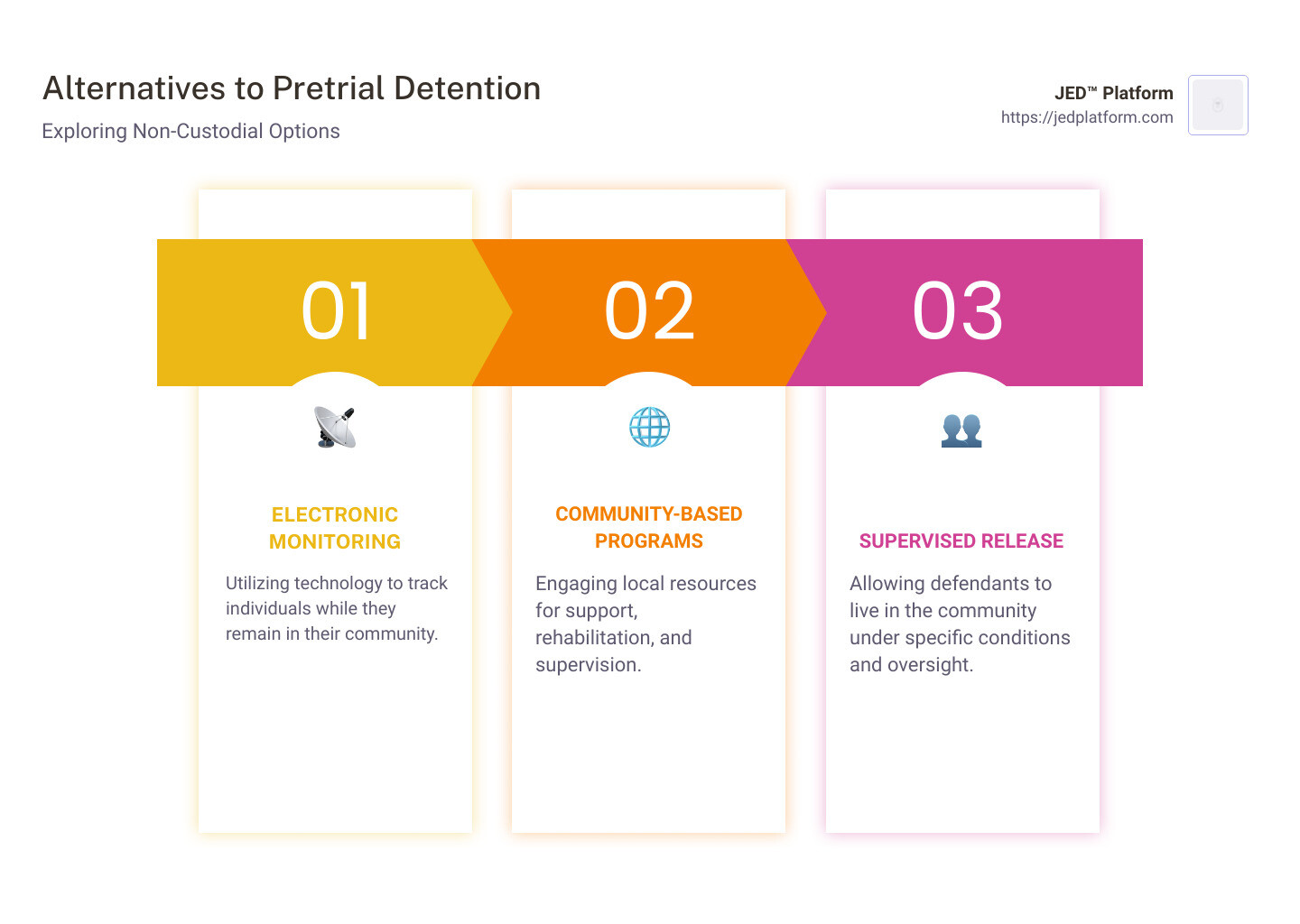
Alternatives to pretrial detention have become a hot topic as communities and governments seek to reform a justice system that often relies on keeping individuals behind bars before their trial. The primary goal of these alternatives is to ensure fairness by providing non-custodial options, which can lead to more just outcomes without compromising public safety. For those searching for quick insights, here are some popular alternatives:
- Electronic monitoring: Using technology to track individuals instead of holding them in jail.
- Community-based programs: Engaging with local resources for support and supervision.
- Supervised release: Allowing defendants to live in the community under certain conditions.
The process of pretrial reform has highlighted important issues, like the presumption of innocence and the need to address financial and racial disparities. According to the R Street Institute, reducing reliance on pretrial detention not only keeps families together but also avoids long-term disruptions in housing, employment, and community ties—a sentiment echoed globally.
Pretrial detention reform involves multiple stakeholders, including law enforcement and judicial systems, working towards a more equitable system. By embracing a variety of alternatives, like the ones listed, governments can address systemic issues that plague the current system, making it more just and efficient.
Understanding Pretrial Detention
Pretrial detention is a critical issue that touches on fundamental rights and fairness in the justice system. At its core, pretrial detention is about keeping someone in jail while they wait for their trial. This practice raises several important questions, especially about fairness and equality.
Presumption of Innocence
One of the key principles in any justice system is the presumption of innocence. This means that anyone accused of a crime is considered innocent until proven guilty. Pretrial detention challenges this principle. It often keeps people locked up before they even have a chance to defend themselves in court. This can lead to unjust outcomes, especially when the accused are unable to pay for their release.
Financial Conditions
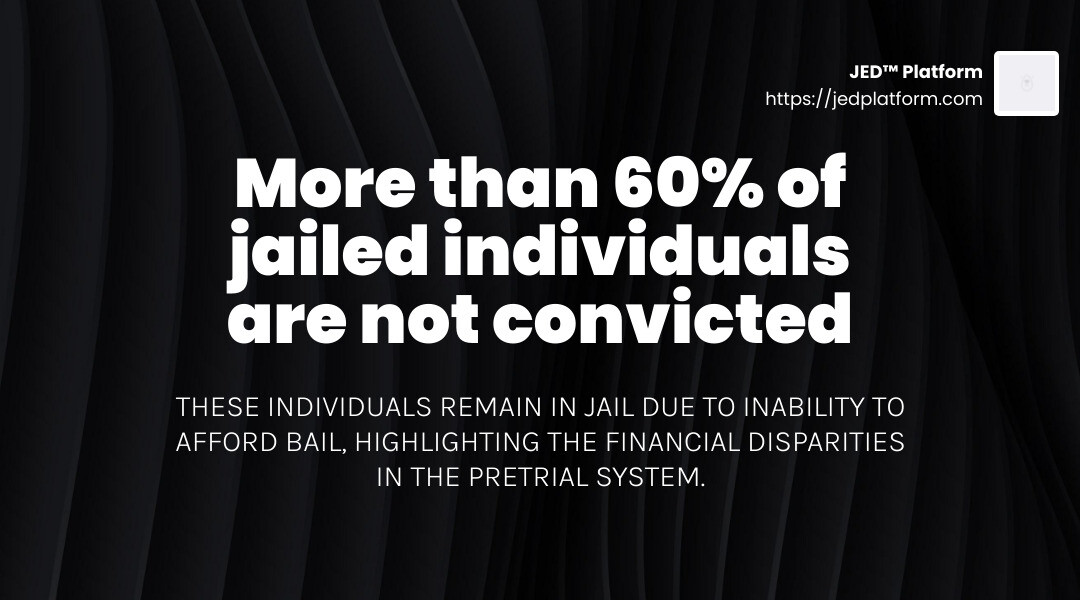
Money bail is a common requirement for release before trial, but it disproportionately affects those who can’t afford it. According to the JED Platform, more than 60% of people in jail are not convicted but remain there because they can’t afford bail. Even a few days in jail can disrupt lives, causing loss of jobs, homes, and family connections. This system means that wealth, not risk, often determines who stays in jail and who goes free.
Racial Disparities
Racial disparities in pretrial detention are a significant concern. For instance, in Canada’s Ontario province, data shows that Black people spend more time in pretrial detention than white people for similar charges. This pattern reflects systemic issues that extend beyond financial means. It highlights how race can unfairly affect legal outcomes, with marginalized communities often facing harsher conditions.
Understanding these aspects of pretrial detention is vital for reforms aimed at creating a fairer system. By addressing these issues, we can move towards a justice system that respects the presumption of innocence and treats everyone equally, regardless of their financial status or race.
Next, let’s explore some alternatives to pretrial detention that offer fair solutions without compromising public safety.
Alternatives to Pretrial Detention
When it comes to alternatives to pretrial detention, several innovative approaches can help maintain the balance between justice and public safety, while also respecting the presumption of innocence. These alternatives provide viable options for individuals who might otherwise remain in jail simply because they cannot afford bail.
Electronic Monitoring
Electronic monitoring is a tool that allows defendants to remain in their communities while awaiting trial. This method uses technology, like ankle bracelets, to track a person’s location. It’s a less invasive way to ensure that individuals comply with court orders without needing to keep them in custody. Electronic monitoring can be effective, as it allows people to continue working and caring for their families, reducing the disruption to their lives and decreasing the likelihood of reoffending.
Community-Based Programs
Community-based programs offer another path. These programs are designed to support individuals through various services such as counseling, job training, and substance abuse treatment. By addressing the root causes of criminal behavior, these programs can reduce the likelihood of reoffending and help integrate individuals back into society. They emphasize rehabilitation over punishment, focusing on fostering positive changes in behavior and lifestyle.
Supervised Release
Supervised release is an alternative that involves regular check-ins with a case manager or court officer. This approach has been particularly successful in New York City, where the Supervised Release program has diverted nearly 25,000 people from monetary bail and pretrial detention since its launch in 2016. The program’s expansion in 2020 showed that supervised release is as effective as bail at ensuring court appearances, while also allowing defendants to receive supportive services within their communities.
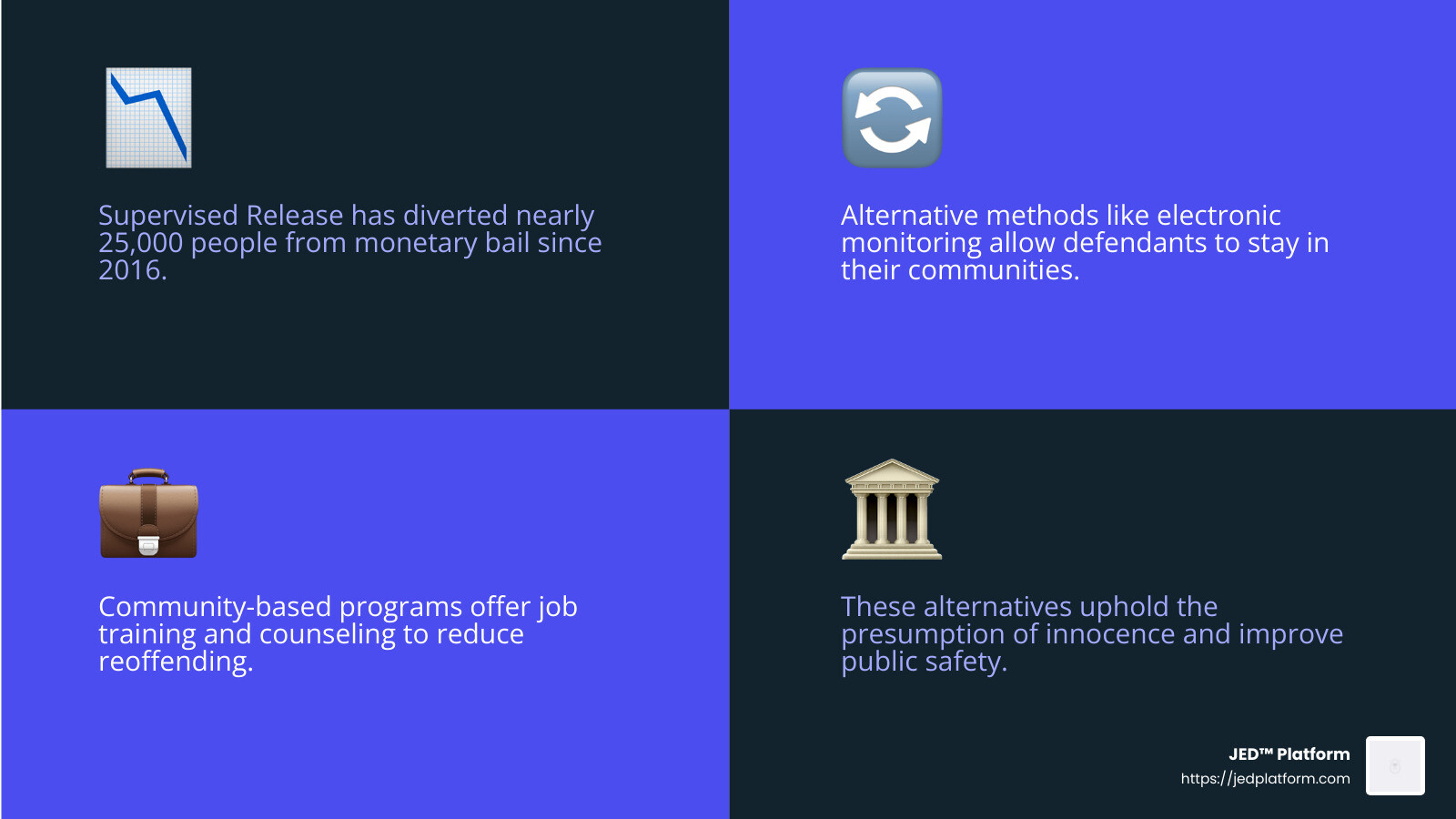
These alternatives not only uphold the presumption of innocence but also offer cost-effective and humane solutions to pretrial detention. By providing support and supervision, they aim to keep communities safe while respecting the rights and dignity of defendants.
Benefits of Alternatives
Exploring alternatives to pretrial detention reveals numerous benefits that extend beyond the immediate individuals involved. Let’s break down these advantages:
Cost Effectiveness
Alternatives like electronic monitoring and community-based programs are cost-effective compared to traditional detention. Keeping someone in jail is expensive, with costs often exceeding $100 per day per inmate. In contrast, electronic monitoring can cost as little as $10 per day. Community programs, which focus on rehabilitation and support, also offer a more affordable solution. By investing in these alternatives, communities save money that can be redirected to other essential services.
Reduced Jail Populations
During the COVID-19 pandemic, many jurisdictions turned to alternatives to pretrial detention to manage overcrowded jails. The results were significant. By implementing these measures, jail populations decreased without increasing crime rates. This reduction helps alleviate the strain on the criminal justice system, allowing resources to be better allocated and reducing the backlog of cases in courts.
Public Safety
Some might worry that releasing individuals before trial could compromise public safety. However, evidence suggests otherwise. A study by the R Street Institute found that alternatives like supervised release and community-based programs maintain or even improve safety. These approaches ensure individuals are monitored and supported, reducing the chances of reoffending. By addressing underlying issues like substance abuse or unemployment, these programs help individuals reintegrate into society more successfully.
By focusing on these benefits, it’s clear that alternatives to pretrial detention offer a more humane, effective, and sustainable approach to justice. They not only respect the presumption of innocence but also contribute positively to society as a whole.
Next, we will explore how these alternatives can be implemented through legislative measures, risk assessments, and judicial education.
Implementing Alternatives
To effectively implement alternatives to pretrial detention, we need to focus on three key areas: legislative measures, risk assessments, and judicial education.
Legislative Measures
First, let’s talk about the laws. Reforming bail practices is crucial. Some states are already moving towards abolishing cash bail, which often keeps non-violent offenders behind bars simply because they can’t afford to pay. Instead, these reforms encourage the use of warnings and citations rather than arrests for minor offenses.
Legislation should also push for individualized risk assessments rather than one-size-fits-all bail schedules. This means looking at each person’s situation to decide if they need to be detained or if they can be safely released. By doing this, we ensure that poverty isn’t the reason someone stays in jail.
Another important step is to expand pretrial services programs. These programs help manage and supervise individuals who are released before trial, providing support and ensuring they appear in court when required.
Risk Assessments
Risk assessments are like a safety check. They help determine whether someone poses a danger to the community or is likely to skip their court date. But here’s the catch: these assessments need to be fair. They should be based on data that is open to public analysis and critique to avoid any hidden biases.
Using individualized risk assessments ensures that decisions are made based on actual risk, not stereotypes or assumptions. This approach helps keep the community safe while making sure justice is fair for everyone.
Judicial Education
Judges play a crucial role in the justice system, and their decisions can have a big impact on people’s lives. That’s why educating judges about the benefits of alternatives to pretrial detention is essential. They need to understand how these alternatives can reduce jail populations without compromising public safety.
Judicial education should also focus on the importance of avoiding the criminalization of poverty. Judges should be aware of how improper bail determinations can disproportionately affect low-income individuals. By providing judges with the knowledge and tools to make informed decisions, we can ensure a more equitable justice system.
By focusing on these areas, we can create a justice system that is fairer, more efficient, and more compassionate. Next, we’ll tackle some frequently asked questions about these alternatives to pretrial detention.
Frequently Asked Questions about Alternatives to Pretrial Detention
What are the least restrictive forms of pretrial release?
One of the least restrictive ways to release someone before trial is through release on recognizance (ROR). This means the person promises to return for their court dates without having to pay bail. It’s a simple, trust-based system that works well for those who aren’t considered a flight risk or a danger to the community.
Another option is court-ordered supervision. This involves regular check-ins with a pretrial services officer and might include other conditions like attending counseling or staying away from certain places or people. It’s a way to keep tabs on someone without locking them up.
How do alternatives impact crime rates?
There’s a common worry that letting people out before their trial might lead to more crime. However, studies show that using alternatives to pretrial detention doesn’t lead to an increase in crime rates. In fact, programs like New York City’s Supervised Release have successfully kept people out of jail without compromising public safety.
By focusing on community safety and providing support for those released, these programs help individuals stay on track and make their court appearances, reducing the chance of reoffending.
What role do risk assessments play?
Risk assessments are tools used to evaluate whether someone can safely be released before their trial. These assessments look at various factors, such as the person’s criminal history and the nature of their charges, to predict the likelihood of them committing a crime or skipping their court date.
The key to effective risk assessments is individualization. Each person’s situation is unique, and assessments need to reflect that. By tailoring the assessment to the individual, we can avoid blanket judgments that might unfairly target certain groups.
It’s also crucial to mitigate biases in these assessments. This means ensuring that the data used is transparent and scrutinized to prevent discrimination based on race, socioeconomic status, or other factors. By doing so, we make sure that decisions are made fairly and that the justice system treats everyone equally.
Next, we’ll dive into the conclusion of our discussion on alternatives to pretrial detention and how they fit into the broader picture of justice reform.
Conclusion
As we wrap up our discussion on alternatives to pretrial detention, it’s clear that these options play a crucial role in modernizing our justice system. At JED™ Platform, we’re dedicated to providing innovative solutions through our pretrial diversion programs. Our approach emphasizes fair risk assessments, ensuring that individuals awaiting trial are treated justly and equitably.
Our services aim to reduce unnecessary detention by offering custom monitoring and supervision. This not only helps individuals maintain their lives outside jail but also supports community safety. By focusing on individualized assessments, we strive to minimize biases and ensure decisions are based on each person’s unique circumstances.
Moreover, our commitment to transparency and fairness aligns with the broader goals of justice reform. We believe that by implementing these alternatives, we can significantly reduce jail populations, cut costs, and improve public safety.
To learn more about how JED™ Platform can assist in pretrial release options, visit our service page. Let’s work together to open up justice and create a fairer system for all.