

Juvenile Probation Officer Salary: Breaking Down the Numbers
What is the Average Salary for a Juvenile Probation Officer? Top Insights 2024

What is the average salary for a juvenile probation officer? The average salary for a juvenile probation officer in the United States is around $46,765 per year. Salaries can range from $37,000 to $71,000 annually, depending on factors such as experience, education, and location.
A juvenile probation officer is one who plays a pivotal role in the lives of young offenders. They ensure that these youths comply with court orders, which might include community service or attending school regularly. Unlike officers who work with adults, juvenile officers often interact closely with families to support and guide young people, recognizing the unique challenges they face. This job, while demanding, brings significant satisfaction by making a positive impact on young lives.
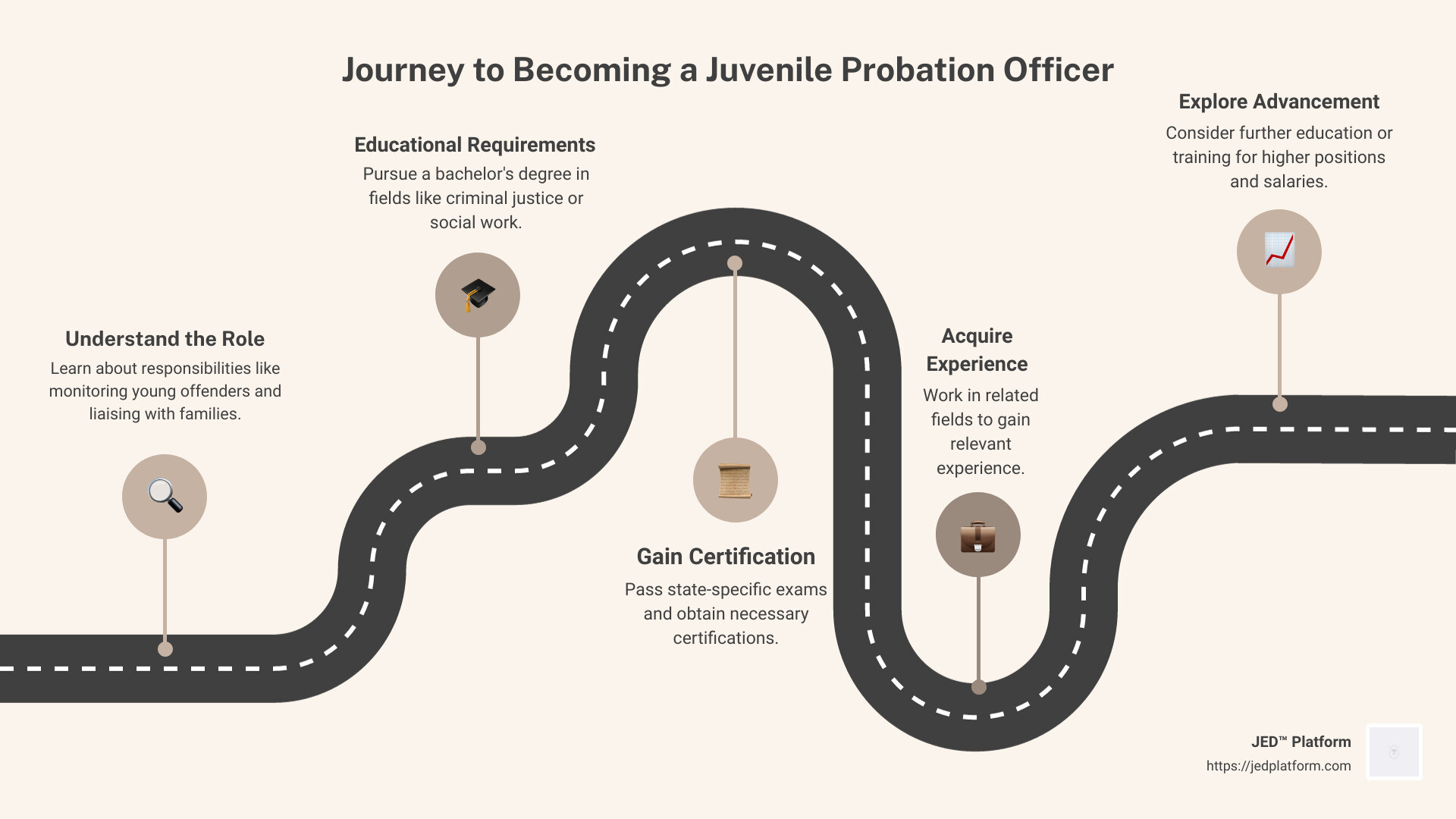
The path to becoming a successful juvenile probation officer involves understanding various educational and certification requirements. Typically, a bachelor’s degree in fields like criminal justice, social work, or psychology is needed, alongside passing state-specific exams and training. With additional education or work experience, opportunities for career advancement and higher salaries are possible.
Starting on this career means entering a field that is essential yet faces slow growth, partly due to reforms in handling juvenile cases. However, opportunities remain, especially in urban centers where the need for these professionals is more significant. Regions like California and New York offer higher salaries than the national average, thanks in part to their cost of living.
Find more about what is the average salary for a juvenile probation officer:
- average salary for oklahoma probation officer
- probation officer salary ny
- probation service officer salary
What is the Average Salary for a Juvenile Probation Officer?
The average salary for a juvenile probation officer in the United States is approximately $46,765 per year. This figure can vary widely based on factors such as location, experience, and education.
Salary Range and Median Wage
Juvenile probation officers typically start with a salary range from $37,000 to $71,000 annually. The median wage for these professionals is around $22 per hour, equating to about $46,765 annually. This median wage reflects the midpoint, meaning half of the officers earn less and half earn more.
Salary Comparisons
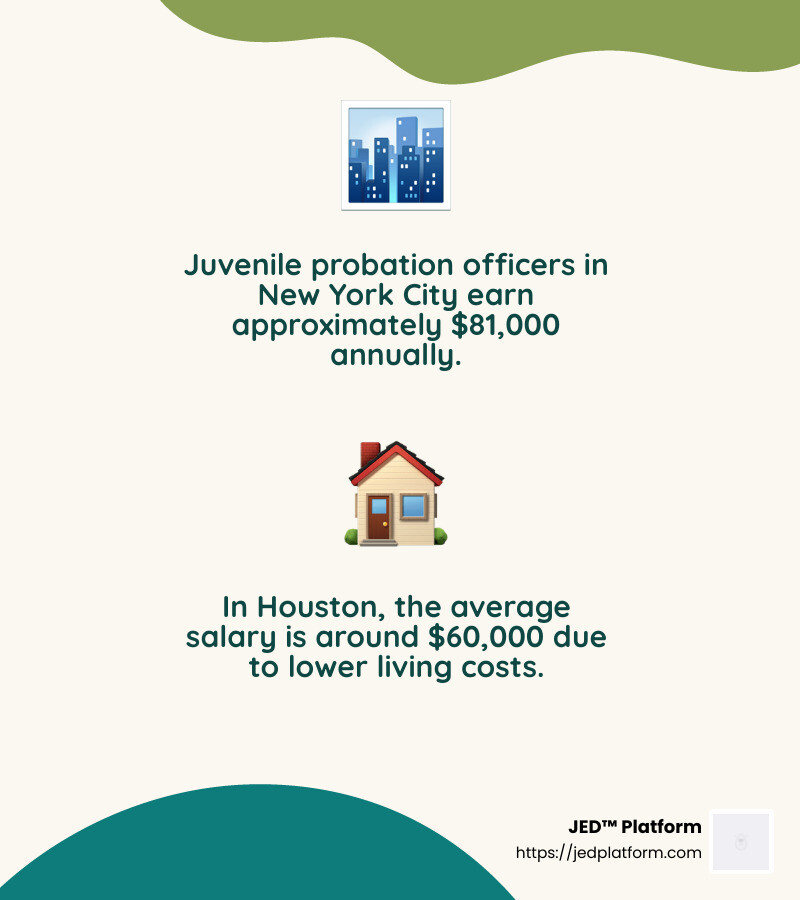
Salaries for juvenile probation officers can differ significantly based on location. For example, while the national average is around $46,765, cities like New York and Houston show notable differences due to varying costs of living. In New York City, juvenile probation officers can earn about $81,000 per year, whereas in Houston, the salary is closer to $60,000.

California leads the nation with the highest average salaries for probation officers, offering annual pay that exceeds the national average. This is largely due to the state’s higher cost of living and greater demand for these roles in urban areas.
Factors Affecting Salary
Several factors influence the salary of a juvenile probation officer. Education plays a crucial role; officers with a master’s degree or specialized certifications often earn higher salaries and receive more opportunities for advancement. Experience also matters, as seasoned officers can nearly double their starting salary after two decades in the field.
In summary, while the average salary for a juvenile probation officer provides a baseline, actual earnings can vary widely based on location, education, and experience. This variation underscores the importance of considering these factors when evaluating potential earnings in this field.
Factors Influencing Juvenile Probation Officer Salaries
Understanding what drives the salary of a juvenile probation officer can help you better steer your career path. Here are the main factors that influence these salaries:
Education Requirements
A bachelor’s degree is typically the minimum requirement to become a juvenile probation officer. Fields like criminal justice, social work, psychology, or sociology are common choices. This educational background equips officers with the necessary skills to handle at-risk youth effectively.
However, those with a master’s degree often see a bump in their starting salaries. Some states even offer a salary bonus for advanced degrees. For instance, in Indiana, professionals with a master’s degree automatically qualify for a 5% salary increase. This extra education not only boosts pay but also opens doors to promotions and specialized roles.
State Certification
After completing your degree, you’ll need to pursue state certification. This usually involves passing a civil service exam and completing state-specific training programs. Certification ensures that officers are equipped to meet the demands of the role, and some states may offer higher pay for those who have additional certifications, such as in social work or substance abuse counseling.
Cost of Living
The cost of living in a specific area significantly impacts salaries. For example, in high-cost areas like New York City, juvenile probation officers can earn around $81,000 annually, reflecting the city’s expensive living conditions. Conversely, in places like Houston, the salary is closer to $60,000 due to a lower cost of living.
California tops the list with the highest salaries for probation officers, largely due to its urban centers and liftd living costs. This regional difference highlights how location can greatly influence your earnings.
Salary by Location
Where you work as a juvenile probation officer can have a big impact on your pay. Let’s break down how location affects salaries.
Highest Paying States
California leads the way with the highest salaries for juvenile probation officers. This is due to its large urban areas and higher cost of living. Officers here can expect to earn more than in other states, with annual salaries often exceeding $75,000. Other top-paying states include New Jersey and Connecticut, where salaries also reach above $70,000.
City Comparisons
Cities like New York City and San Francisco offer some of the highest salaries for juvenile probation officers. In New York City, for instance, officers can earn around $81,000 annually. This reflects the high cost of living in these metropolitan areas. On the other hand, cities like Houston offer lower salaries, closer to $60,000, due to their more affordable living conditions.
Regional Differences
The salary differences aren’t just about city vs. city. There are regional trends too. For example, the Northeast generally pays more compared to the South. This is partly because of the different cost of living and the demand for probation officers. In the Midwest, salaries are more modest, often aligning with the national average of $46,765.
Overall, when considering a job as a juvenile probation officer, think about where you want to work. The average salary for a juvenile probation officer varies widely depending on the state and city, and these differences can significantly affect your career decisions.
Career Outlook and Industry Trends
The future for juvenile probation officers is shaped by changing policies and societal needs. Let’s explore some key trends.
Job Growth
The job growth for juvenile probation officers is steady but not rapid. According to the U.S. Bureau of Labor Statistics, the field is expected to grow by about 4% over the next decade. This growth is slower than average, partly due to changes in how juvenile offenders are managed. While the demand for these officers remains, it’s not increasing significantly.
Reforms
Recent reforms in the juvenile justice system have shifted some responsibilities from probation officers to other types of social workers. This is because many states are focusing on rehabilitation rather than punishment. Programs now aim to address the root causes of juvenile delinquency, such as family issues or substance abuse. These reforms are crucial for reducing repeat offenses and helping young people get back on track.
Social Work Integration
There’s a growing trend of social work integration in juvenile probation. This means probation officers often work closely with social workers, educators, and mental health professionals. Together, they create comprehensive support plans for young offenders. This collaboration helps address various needs, from education to mental health, making the probation process more holistic.
As the role of juvenile probation officers evolves, it’s clear that those who adapt to these changes will be better equipped to help young people. Understanding these trends can guide your career path and help you make informed decisions about your future in this field.
Frequently Asked Questions about Juvenile Probation Officer Salaries
What is the highest salary for a probation officer?
Salaries for probation officers can vary widely, but top earners often make significantly more than the average. According to a recent study, the 90th percentile of juvenile probation officers earn about $71,000 annually, which translates to roughly $34 per hour. This is a considerable increase compared to the average salary, which is approximately $46,765 per year. Factors contributing to higher salaries include years of experience, advanced education, and working in regions with a higher cost of living.
How much does a juvenile probation officer make in different states?
Salaries for juvenile probation officers vary by state, reflecting differences in cost of living and state budgets. For instance, states like California and New York offer some of the highest salaries, with California officers earning an average of $75,370 annually. On the other hand, states with lower living costs, like Georgia and Florida, may offer lower average salaries, around $43,000 to $44,000. It’s essential to consider these differences when evaluating job offers or planning a career move.
What are the educational requirements for a juvenile probation officer?
To become a juvenile probation officer, a bachelor’s degree is typically required. Common fields of study include criminal justice, social work, sociology, and psychology. After obtaining a degree, candidates must also achieve state certification, which usually involves passing a civil service exam and completing specific training programs. Some states may prefer or require a master’s degree, which can also lead to higher starting salaries and better career advancement opportunities.
Understanding these factors can help you steer the career path of a juvenile probation officer and make informed decisions about your education and job prospects.
Conclusion
Choosing a career as a juvenile probation officer can be incredibly rewarding. At JED™ Platform, we understand the importance of making a difference in the lives of young people. Our work in the criminal justice industry focuses on providing fair risk assessments and monitoring services that support both the community and the individuals involved.
Career satisfaction is a significant aspect of being a juvenile probation officer. These professionals have the unique opportunity to positively influence the lives of at-risk youth. By guiding them through the justice system and helping them fulfill court orders, juvenile probation officers play a crucial role in steering young offenders away from a life of crime. This meaningful work can be both challenging and fulfilling.
Moreover, making a difference is at the heart of this profession. Juvenile probation officers often work closely with families and communities to ensure that young offenders receive the support they need. This includes addressing underlying issues such as abuse, neglect, and basic needs like food and shelter. By doing so, they help create a safer and more supportive environment for rehabilitation.
At JED™ Platform, we are committed to supporting those in the criminal justice field with our pretrial diversion programs. Our programs aim to reduce recidivism and promote successful reintegration into society. We believe that by offering these services, we contribute to a more just and equitable system.
If you’re considering a career as a juvenile probation officer, your role is vital. Not only do you have the chance to impact individual lives, but you also contribute to broader societal change. This career offers the satisfaction of knowing you’re making a real difference, one young life at a time.