

Understanding Parole: What Does It Mean?
The #1 Powerful Guide to Understanding What Does Parole Mean in 2024
Understanding Parole: What Does It Mean?

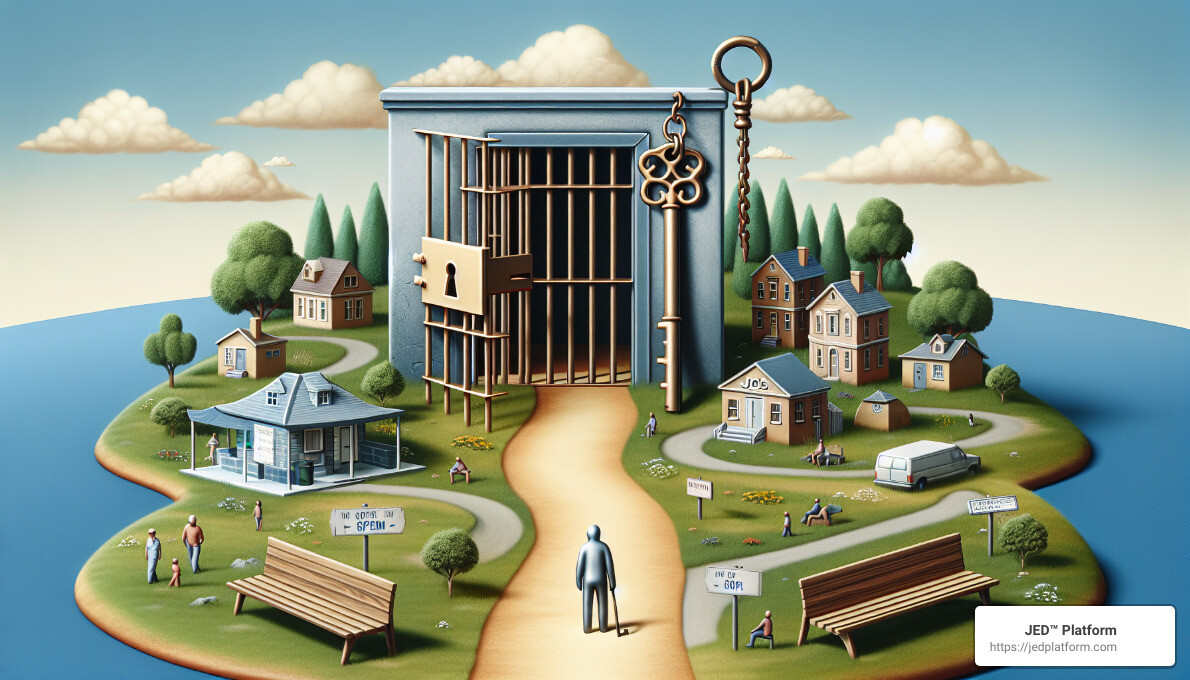
What does parole mean? Parole is conditional freedom for prisoners. It allows them to live outside of prison while they complete their sentence under supervised conditions. This early release is granted based on good behavior and the evaluation of a parole board.
Parolees must follow specific rules and meet various responsibilities to avoid being sent back to prison. These responsibilities may include:
- Regular check-ins with a parole officer
- Attending substance abuse counseling sessions
- Remaining within geographical restrictions
- Avoiding any criminal activities
Failing to meet these conditions can result in severe consequences, including revocation of parole and a return to prison.

What Does Parole Mean?
Parole is a conditional release from prison, allowing an inmate to serve the remainder of their sentence in the community. This means the inmate, now called a parolee, is not entirely free but must follow specific rules and parole conditions. These conditions are set to ensure the parolee’s smooth reintegration into society while maintaining public safety.
Types of Parole
There are three main types of parole: discretionary parole, mandatory parole, and expiatory parole.
-
Discretionary Parole: This type of parole is granted based on the decision of a parole board. The board evaluates the inmate’s behavior, rehabilitation progress, and potential risk to society before deciding on early release. For example, a prisoner might be eligible for parole after serving a certain number of years and demonstrating good behavior.
-
Mandatory Parole: In some cases, parole is automatically granted after an inmate serves a specific portion of their sentence. This is often stipulated by law and does not require a parole board’s approval. However, the parolee must still adhere to the parole conditions set forth.
-
Expiatory Parole: This is less common and usually applies to inmates who have served their entire sentence minus any good behavior credits. They are released without the need for a parole board’s decision but must still follow certain conditions.
Parole vs. Probation
Parole and probation are often confused, but they have distinct differences and similarities.
- Differences:
- Parole is granted after an inmate has served part of their prison sentence. It allows them to live in the community under supervision for the remainder of their sentence.
-
Probation is an alternative to prison. Instead of serving time in jail, the offender is allowed to live in the community under court-imposed conditions from the start of their sentence.
-
Similarities:
- Both parolees and probationers must follow strict conditions and are supervised by officers.
- Violating the terms can result in severe consequences, including imprisonment.
Legal Implications:
– Parole decisions are often made by a parole board, and the conditions are custom to the individual’s case.
– Probation conditions are set by the court at sentencing and can include community service, fines, and attendance in rehabilitation programs.
Understanding these differences helps clarify the distinct roles each plays in the criminal justice system. Both aim to rehabilitate offenders and protect society, but they operate at different stages of the criminal process.
How Parole Works
Parole Eligibility and Hearings
Parole eligibility varies by jurisdiction, but generally, a prisoner becomes eligible for parole after serving a portion of their sentence. The parole board—a group of officials who evaluate parole applications—determines if a prisoner can be released early. Eligibility often depends on factors like the nature of the crime, behavior in prison, and rehabilitation efforts.
Parole hearings are crucial in this process. At the hearing, the parole board reviews the prisoner’s case, including their behavior in prison, participation in rehabilitation programs, and plans for reintegration into society. The prisoner can present evidence and call witnesses, such as family members or employers, to support their case.
Eligibility criteria might include:
– Serving a minimum portion of the sentence
– Demonstrating good behavior
– Completing specific rehabilitation programs
Hearing process steps:
1. Application: The prisoner or their attorney submits a parole application.
2. Review: A parole examiner reviews the application and schedules a hearing.
3. Hearing: The parole board listens to the prisoner, witnesses, and sometimes the victim.
4. Decision: The board decides whether to grant parole, often taking up to 21 days for a final decision.
Conditions of Parole
Once granted parole, the parolee must adhere to specific conditions to remain free. These conditions are designed to ensure the parolee’s successful reintegration into society and to protect public safety.
Supervision by a parole officer is a key component. The parole officer monitors the parolee’s compliance with the set conditions and provides support to help them avoid reoffending.
Common conditions of parole include:
- Geographical restrictions: Parolees must stay within a specified area and cannot move without permission.
- Substance use: Parolees must refrain from using illegal drugs and may be required to undergo regular drug testing.
- Reporting requirements: Parolees must regularly check in with their parole officer and report any changes in employment or residence.
- Employment: Parolees are often required to seek and maintain employment or participate in educational or vocational training programs.
Violating any of these conditions can lead to a parole violation hearing, where the parole board decides if the parolee should return to prison.
By understanding these requirements, parolees can better steer their conditional freedom and work towards a successful reintegration into society.
Life with Parole
Parole for Life Sentences
For individuals serving life sentences, the possibility of parole can offer a glimmer of hope. Although not guaranteed, parole provides a pathway for some life-sentenced prisoners to reintegrate into society under strict supervision.
Eligibility
Prisoners serving life sentences usually become eligible for parole after serving a significant portion of their sentence. For instance, in Italy, a prisoner with a life sentence must serve at least 26 years before becoming eligible. In New Zealand, inmates serving life sentences typically need to serve a minimum of 10 years before they can apply for parole. Eligibility criteria can vary widely depending on the jurisdiction and the nature of the crime.
Parole Hearings
Once eligible, the inmate must attend a parole hearing. This hearing involves a review of their behavior, rehabilitation efforts, and plans for reintegration. The parole board will consider various factors, including:
- Nature of the crime: Violent or repeat offenders may face stricter scrutiny.
- Behavior in prison: Good behavior and participation in rehabilitation programs are crucial.
- Support system: Family and community support can influence the board’s decision.
During the hearing, the prisoner can present evidence and call witnesses to support their case. The parole board may also hear from the victim or their family. After the hearing, the board will make a recommendation, which may require further review by higher authorities, such as the state governor in some cases.
Supervision Conditions
If granted parole, the parolee must adhere to strict supervision conditions designed to ensure public safety and support their transition back into society. Common supervision conditions include:
- Regular check-ins: Parolees must meet with their parole officer regularly.
- Geographical restrictions: Parolees may be required to stay within a certain area and obtain permission to travel.
- Substance use restrictions: Many parolees must abstain from drugs and alcohol and may be subject to random testing.
- Employment requirements: Parolees often need to seek and maintain employment or engage in educational programs.
Violating any of these conditions can result in a parole violation hearing, where the parole board will decide whether to revoke parole and return the individual to prison.
Understanding these aspects of life with parole can help parolees steer their conditional freedom and work towards a successful reintegration into society.
Violations and Consequences
Common Parole Violations
Parolees must follow specific rules and conditions to maintain their conditional freedom. However, violations can and do occur. These violations are generally divided into two categories: new crimes and technical violations.
-
New Crimes: Committing another crime while on parole is a serious violation. This often results in immediate arrest and can lead to the parolee being sent back to prison to serve the remainder of their original sentence, along with any new sentences for the new crime.
-
Technical Violations: These are non-criminal breaches of parole conditions. Examples include missing a meeting with a parole officer, failing a drug test, or leaving the designated geographical area without permission. While less severe than committing a new crime, technical violations can still lead to significant consequences.
Revocation Process
When a parole violation occurs, the parolee may face revocation proceedings. This process determines whether the parolee’s conditional freedom should be revoked and if they should be returned to prison.
Hearing
The revocation process typically starts with a hearing. The parolee will be notified of the alleged violations and given a chance to present their side of the story. Various parties may attend the hearing, including:
- Parole Officer: They present evidence of the violation.
- Parolee: They can defend themselves, often with the help of an attorney.
- Witnesses: Both the parolee and parole officer may bring witnesses to support their case.
Decision-Maker
The decision-maker in these hearings can vary by state. It may be a judge, a parole board, or part of the parole board. They will review the evidence and hear arguments from both sides before making a decision.
Consequences
The consequences of a parole violation depend on the severity of the violation and the decision-maker’s judgment. Possible outcomes include:
- Return to Prison: For severe violations, especially new crimes, the parolee may be sent back to prison to serve the remainder of their original sentence.
- Stricter Conditions: For less severe or technical violations, the parolee may face stricter parole conditions. This could include more frequent check-ins with their parole officer or mandatory attendance at substance abuse programs.
- Extended Parole: In some cases, the parole period may be extended instead of revoking it entirely.
Understanding the potential violations and the revocation process helps parolees steer their conditional freedom and avoid actions that could jeopardize their release.
Next, we’ll dig into the Benefits and Challenges of Parole, exploring how parole can aid in reintegration and the problems parolees often face.
Benefits and Challenges of Parole
Reintegration into Society
Parole plays a crucial role in helping former prisoners reintegrate into society. By allowing parolees to serve part of their sentence outside of prison, they get a head start on rebuilding their lives. This helps improve community safety by reducing the likelihood of re-offending.
Transitional services are a key part of this process. These services can include:
- Halfway houses: These facilities provide a structured environment where parolees can adjust to life outside prison while receiving support and supervision.
- Employment assistance: Helping parolees find jobs can significantly reduce the chances of them returning to crime.
- Mental health counseling: Many parolees struggle with mental health issues. Counseling can provide the necessary support to address these challenges.
Parole also helps in reducing prison overpopulation. By releasing eligible prisoners early, the system can better manage its resources and reduce overcrowding.
Challenges Faced by Parolees
Despite the benefits, parolees face several challenges:
- Supervision and Compliance: Parolees must comply with strict conditions, such as regular check-ins with a parole officer and adhering to geographical restrictions. Violating these conditions can result in a return to prison.
- Societal Stigma: Parolees often face negative perceptions from the community, which can make finding employment and housing difficult.
- Substance Abuse: Many parolees struggle with addiction. Failing to stay clean can lead to parole violations and re-incarceration.
Parolees also need to steer the supervision system effectively. This includes understanding and following the conditions set by the parole board, such as attending mandatory meetings and avoiding certain activities or places.
While parole offers a path to reintegration, the journey is fraught with obstacles. Addressing these challenges requires a combination of support services and community understanding.
Next, we’ll dive into the Frequently Asked Questions about Parole, clarifying common queries and misconceptions.
Frequently Asked Questions about Parole
What does it mean to be on parole?
Being on parole means a prisoner is released from prison before completing their full sentence but must follow certain conditions. This conditional release allows the parolee to live in the community under supervision instead of staying behind bars. Parolees must regularly check in with a parole officer and may face restrictions like remaining in a specific area, avoiding substance abuse, and attending counseling sessions.
What are the three types of parole?
-
Discretionary Parole: This type of parole is granted based on a parole board’s decision. The board assesses the inmate’s behavior, rehabilitation progress, and potential risk to society before approving early release.
-
Mandatory Parole: Here, parole is automatically granted after the inmate serves a certain portion of their sentence. This is often part of the sentencing law and doesn’t require a parole board’s approval.
-
Expiatory Parole: This is less common and involves the release of inmates who have served the maximum term of their sentence, minus any reductions for good behavior.
How does parole differ from probation?
While both parole and probation involve supervised release, they differ in timing and purpose:
-
Parole occurs after an inmate has served part of their prison sentence. It aims to reintegrate the individual back into society under supervision.
-
Probation is an alternative to prison. It allows offenders to stay in the community instead of serving time, under strict conditions and supervision from the start.
In summary, parole is about early release from prison, while probation is about avoiding prison time altogether.
Next, we’ll explore the benefits and challenges of parole, focusing on reintegration and community safety.
Conclusion
In summary, parole offers prisoners a chance to serve part of their sentence in the community under supervision. This system aims to support reintegration into society, improve community safety, and manage prison populations effectively. However, parole comes with challenges, including strict conditions and the risk of returning to prison if those conditions are violated.
At JED™ Platform, we are committed to supporting individuals at every stage of the criminal justice process. Our pretrial diversion programs provide fair risk assessments and monitoring services to help ensure a safe and successful transition back into the community. By offering comprehensive support and resources, we aim to reduce recidivism and promote long-term positive outcomes for parolees.
For more information on how JED™ Platform can assist with your pretrial and post-conviction needs, visit our service page.
By understanding what parole means and the processes involved, we can better appreciate the importance of this system in the broader context of criminal justice reform.