

A Guide to the Federal Work Release Program
The #1 Guide to the Powerful Federal Work Release Program in 2024

Why the Federal Work Release Program is Important
The Federal Work Release Program is a crucial initiative designed to help inmates transition back into society smoothly. This program allows prisoners to work outside the prison—often nearing the end of their term—to build skills and secure employment before their full release.
Quick Answer:
– Overview: Helps inmates work outside prison to prepare for reentry.
– Purpose: Facilitates job training and reduces recidivism.
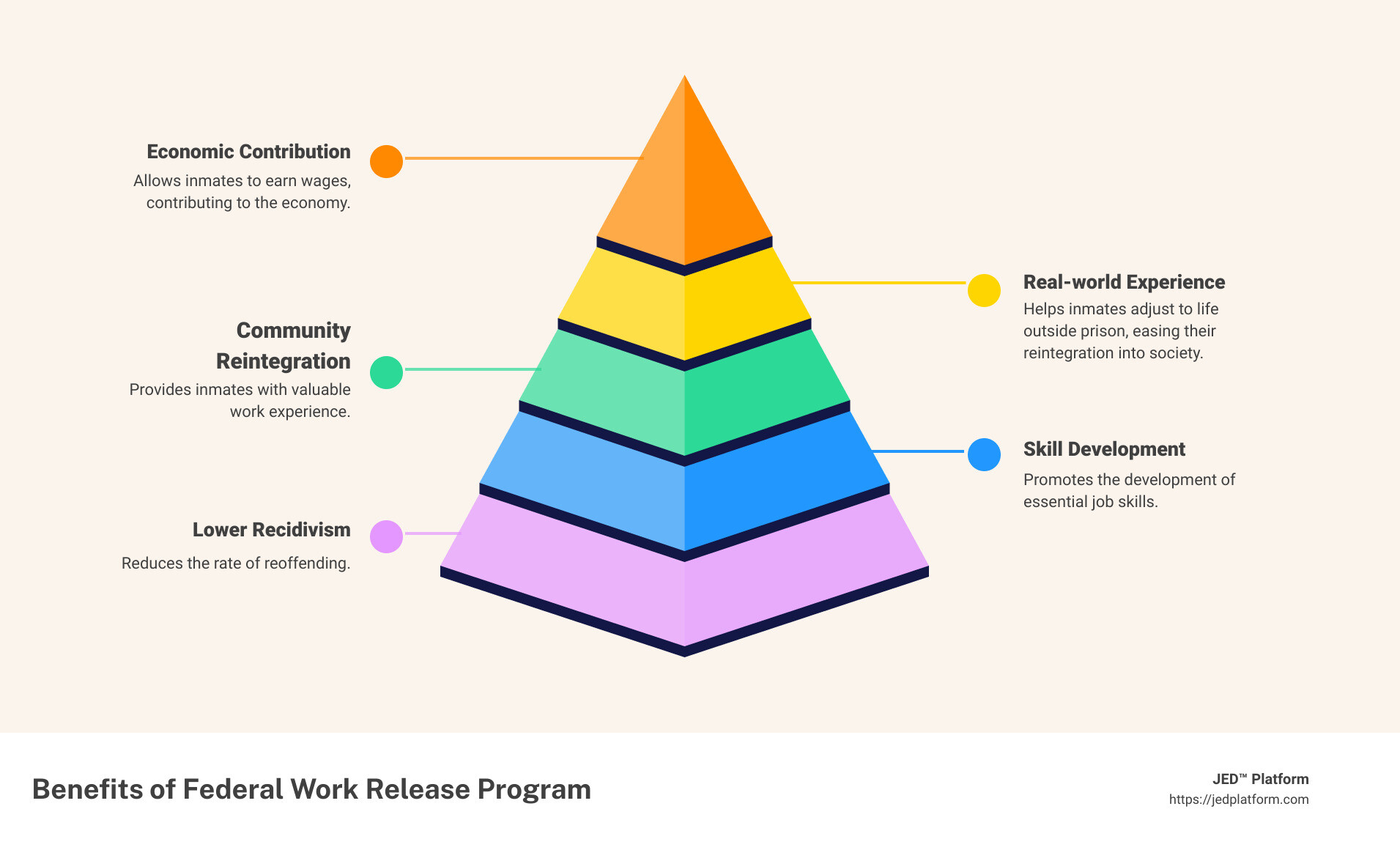
– Benefits: Provides work experience, reduces reoffense rates, and aids community reintegration.
By participating in work release, inmates gain real-world experience and a sense of normalcy, which is vital for their successful reintegration. The program also allows inmates to contribute economically by earning wages. This forward-thinking approach not only helps individuals rebuild their lives but also benefits society by lowering recidivism rates.
What is the Federal Work Release Program?
The Federal Work Release Program is a structured initiative that allows eligible inmates to work outside of prison while serving their sentences. This program aims to help inmates gain work experience, develop skills, and prepare for reintegration into society. Participants typically return to their correctional facility after completing their work shifts.
History
The concept of work release has been around for over a century. In the United States, it was formalized with the Prisoner Rehabilitation Act of 1965. This act was a significant milestone, designed to help inmates transition back into the community by providing them with work opportunities while still under correctional supervision. The act laid the groundwork for modern work release programs, emphasizing rehabilitation and societal reintegration.
Eligibility Criteria
Not all inmates are eligible for the federal work release program. Here are some key criteria:
- Behavioral Requirements: Inmates must have a record of good behavior.
- Time Left to Serve: Typically, inmates nearing the end of their sentences are considered.
- Risk Assessment: Inmates undergo a thorough risk assessment to ensure they do not pose a threat to the community.
- Approval Process: The approval process involves multiple stages, including reviews by correctional officers and sometimes the court.
How It Works
Once approved, inmates can work in various settings such as factories, farms, or service industries. They return to their correctional facility, halfway house, or home confinement after their work shift. This daily routine helps inmates adjust to the structure and responsibilities they will face upon full release.

Benefits
The program offers numerous benefits:
- Employment Opportunities: Inmates gain valuable work experience and can secure jobs more quickly upon release.
- Skill Development: Participants learn new skills that increase their employability.
- Community Reintegration: The program eases the transition back into society, reducing the likelihood of reoffending.
According to studies, inmates who participate in work release programs find jobs nearly twice as fast and earn higher wages compared to those who do not participate. This highlights the program’s effectiveness in preparing inmates for life after prison.
By offering a structured pathway to employment and skill development, the Federal Work Release Program plays a crucial role in the rehabilitation and reintegration of inmates. This not only benefits the individuals involved but also contributes to overall community safety and economic stability.
Benefits of the Federal Work Release Program
Employment Opportunities
The Federal Work Release Program provides inmates with the chance to gain real-world work experience before their release. This hands-on experience is invaluable. Many former inmates start in minimum wage jobs but quickly progress due to the skills they developed during the program.
Neal Moore from CNN pointed out that inmates who participate in work release programs acquire jobs nearly twice as fast as those who do not. This quick employment turnaround helps stabilize their lives and reduces the temptation to return to criminal activities.
Recidivism Reduction
One of the most significant benefits of the Federal Work Release Program is its impact on reducing recidivism. Studies have shown that inmates who engage in work release programs are less likely to re-offend. This is because they leave the prison system with better job prospects and a stronger support network.
The National Criminal Justice Reference Service (NCJRS) reports that work release programs lower recidivism rates, meaning fewer people return to prison. This benefits society by reducing crime rates and the costs associated with re-incarceration.
Skill Development
Work release programs are not just about finding any job; they are about finding the right job. Many inmates receive vocational training and participate in Federal Prison Industries (UNICOR), where they develop valuable skills. These skills make them more competitive in the job market.
For example, some inmates gain experience in manufacturing, while others may receive training in technology or construction. This diverse skill set allows former inmates to fill roles that require specialized knowledge, making them valuable employees.
Community Reintegration
Reintegrating into society is challenging for former inmates, but the Federal Work Release Program eases this transition. By allowing inmates to work in the community, they can rebuild relationships and establish a sense of normalcy before their full release.
Community reintegration is also supported by Residential Reentry Centers, which help inmates adjust to life outside prison. These centers provide resources like job search assistance, résumé writing classes, and even mock job fairs. This comprehensive support system ensures that inmates are not just released but are prepared to succeed.
The Federal Work Release Program offers a structured pathway to employment and skill development, playing a crucial role in the rehabilitation and reintegration of inmates. This not only benefits the individuals involved but also contributes to overall community safety and economic stability.
How the Federal Work Release Program Works
Application Process
To join the Federal Work Release Program, inmates must apply and meet specific criteria. The process starts with an assessment of their behavior, skills, and readiness for reintegration. Inmates with good conduct and a low risk of recidivism are more likely to be accepted. The program’s goal is to help inmates transition smoothly back into society by providing work opportunities.
Monitoring
Once accepted, inmates are closely monitored to ensure they follow the rules. Monitoring may include regular check-ins, electronic tracking, and random drug tests. The level of monitoring depends on the type of work release they are in. This ensures both the safety of the community and the accountability of the inmate.
Types of Work Release
Home Confinement
In some cases, inmates can participate in work release while living at home. They are allowed to go to work but must return home immediately after. Monitoring is often done through electronic devices like ankle bracelets. This type of work release offers more freedom but requires strict adherence to rules.
Halfway Houses
Another option is living in a halfway house. These facilities are usually run by non-profit organizations and offer a structured environment. Inmates go to work during the day and return to the halfway house at night. These houses provide additional support like counseling and job training, making them a good option for those needing extra help.
Daily Routine
The daily routine in the Federal Work Release Program is structured to mimic a typical workday. Inmates leave the facility in the morning, work their shifts, and return in the evening. They must follow a strict schedule and adhere to all rules, including curfews and mandatory check-ins.
During their free time, inmates can engage in recreational activities and attend classes that help them prepare for life after release. This balanced routine aims to build responsibility and work ethic, crucial for successful reintegration.
By offering a structured yet supportive environment, the Federal Work Release Program helps inmates transition back into society. This not only benefits the inmates but also the community by reducing recidivism and promoting economic stability.
Federal Work Release Program and the First Step Act
The First Step Act (FSA) is a significant piece of legislation that impacts the Federal Work Release Program. Signed into law in December 2018, the FSA aims to reform the criminal justice system, particularly focusing on reducing recidivism and promoting successful reentry into society.
Good Conduct Credits
One of the key components of the FSA is the introduction of good conduct credits. These credits allow inmates to earn time off their sentences for good behavior and participation in rehabilitative programs. For example, inmates can earn up to 54 days of credit per year, which can significantly shorten their time in prison. This encourages inmates to engage in positive activities and maintain good behavior during their incarceration.
Early Release
The FSA also provides opportunities for early release through various programs, including home confinement and halfway houses. Inmates can be placed in these settings before their official release date, allowing them to transition back into the community gradually. This is crucial for their reintegration, as it provides a structured environment while giving them more freedom than a traditional prison setting.
Implementation Challenges
Despite its benefits, the implementation of the FSA has faced several challenges. According to Forbes, the Bureau of Prisons (BOP) has struggled to manage the rapid release of inmates due to the FSA. For instance, calculating the exact release dates can be complex because inmates continue to earn credits monthly. This has led to difficulties in planning for prerelease custody placements, such as halfway houses or home confinement.
Additionally, the BOP’s auto-calculation system reviews inmate records monthly, but this can create delays in updating release dates. This means some inmates might not be placed in prerelease custody as early as they should be, impacting their smooth transition back into society.
Real-World Impact
The FSA has already had a significant impact. Thousands of inmates have been released early, reducing the prison population and saving taxpayer money. Home confinement, under the CARES Act, has also shown promise, with many non-violent offenders successfully reintegrating into society while still under supervision. This method not only helps in reducing costs but also provides a real opportunity for inmates to reform and contribute positively to their communities.
In summary, the First Step Act has brought meaningful changes to the Federal Work Release Program, offering inmates a chance for early release through good conduct credits. While there are challenges in implementation, the overall impact has been positive, helping inmates transition back into society more effectively.
Pros and Cons of the Federal Work Release Program
The Federal Work Release Program offers several benefits, but it also has some drawbacks. Let’s break them down.
Pros
1. Employment Opportunities
Work release programs help inmates find jobs before they are fully released. Studies have shown that inmates who participate in these programs can get jobs nearly twice as fast as those who don’t. This early employment helps them stay out of trouble and become productive members of society.
2. Skill Acquisition
Many inmates gain valuable skills while participating in work release programs. They often receive training through Federal Prison Industries (UNICOR) or vocational training programs. These skills make them more employable once they are fully released.
3. Lower Recidivism Rates
One of the biggest benefits of work release programs is that they help reduce recidivism rates. Inmates who participate in these programs are less likely to return to prison. This makes communities safer and reduces the overall cost of the prison system.
Cons
1. Cost
Participating in a work release program isn’t free. For example, inmates in El Paso County have to pay a fee of $22 per day. While this might not sound like much, it can add up, especially for inmates who are already struggling financially.
2. Monitoring Challenges
Keeping track of inmates in work release programs can be difficult. There are often not enough resources to monitor everyone effectively. This can lead to issues like inmates not following the rules or even committing new crimes.
In summary, the Federal Work Release Program offers important benefits like employment opportunities, skill acquisition, and lower recidivism rates. However, it also comes with challenges, including costs and monitoring difficulties.
Reentry Programs and Support Services
Preparing inmates for life after prison is crucial. The Federal Work Release Program offers several reentry programs and support services to help inmates transition back into society successfully.
Federal Prison Industries (UNICOR)
Federal Prison Industries (UNICOR) is a government corporation that provides inmates with work opportunities. Inmates can gain valuable skills and work experience by participating in UNICOR. These jobs range from manufacturing to services, giving inmates a chance to learn and practice skills that are in demand in the job market.
Vocational Training
Vocational training is another key component. Inmates can enroll in courses that teach them trades like carpentry, welding, and computer programming. These skills not only make inmates more employable but also give them a sense of accomplishment and purpose.
Job Search Assistance
Finding a job after release can be daunting. That’s why job search assistance is offered. Inmates nearing release participate in classes on résumé writing, job searching, and job retention. These classes aim to prepare inmates for the challenges of finding and keeping a job in today’s competitive market.
Mock Job Fairs
Mock job fairs are held in many institutions. These events allow inmates to practice their interview skills and meet with potential employers. Community recruiters are invited to these fairs to see the skills and talents available among inmates. This exposure can lead to real job opportunities upon release.
Residential Reentry Centers
Residential Reentry Centers (RRCs), also known as halfway houses, play a vital role in the transition process. Inmates are placed in RRCs before their official release date. These centers provide a structured environment where inmates can adjust to life outside prison. They offer support in finding employment, securing housing, and accessing community resources. Being in an RRC helps inmates build a stable foundation for their future.
Real Stories
Consider John, who participated in UNICOR and learned carpentry. Upon release, he found a job through a mock job fair held at his institution. Living in an RRC helped him adjust to life outside prison. Today, John is a successful carpenter contributing positively to his community.
These reentry programs and support services are essential for helping inmates reintegrate into society. They provide the tools and opportunities needed for a successful transition.
Frequently Asked Questions about the Federal Work Release Program
Do the feds have work release?
Yes, the federal government offers work release programs for inmates. These programs allow inmates to work outside the prison while serving their sentence. The concept was first introduced through the Prisoner Rehabilitation Act of 1965, which aimed to help inmates reintegrate into society by providing them with employment opportunities before their release. Inmates eligible for these programs typically live in community residential treatment centers or halfway houses, where they are closely monitored but have the freedom to work during the day.
Do feds give early release?
Yes, federal inmates can receive early release through several mechanisms. The First Step Act, passed in 2018, allows inmates to earn good conduct credits for participating in rehabilitative programs. These credits can reduce their sentences by up to one year. Additionally, the Act has provisions for inmates to earn an unlimited amount of credits toward home confinement. This means that non-violent offenders, especially those in federal prison camps and low-security institutions, can serve part of their sentence at home under strict supervision.
Why is work release better than jail?
Work release programs offer several advantages over traditional incarceration:
- Home Confinement: Inmates can live at home or in transitional housing, which is less restrictive than a prison setting. They often wear ankle monitors and have regular check-ins to ensure compliance.
- Employment Opportunities: Participating in work release allows inmates to gain real-world job experience and skills, making it easier to secure employment after their release.
- Credit for Time Served: Time spent in work release or home confinement often counts toward the inmate’s sentence, helping them transition back into society sooner.
- Community Reintegration: Living and working in the community helps inmates build relationships and support networks, which are crucial for successful reintegration.
These benefits not only help inmates but also reduce the likelihood of recidivism, making communities safer and saving taxpayer money.
These FAQs cover some of the most common questions about the federal work release program. Understanding these aspects can help clarify how these programs work and their benefits for both inmates and society.
Conclusion
In conclusion, the federal work release program offers numerous benefits that extend beyond the individual inmates to society as a whole. By providing inmates with opportunities for employment, skill acquisition, and community reintegration, these programs play a vital role in reducing recidivism and enhancing public safety.
The involvement of entities like JED™ Platform in criminal justice reform ensures that these programs are effectively managed and that inmates receive the support they need. JED™ Platform focuses on a balanced approach to criminal justice reform, offering pretrial services, post-conviction programs, and comprehensive reentry support, including work release programs.
The importance of work release programs cannot be overstated. They help inmates build a foundation for a successful life post-incarceration, benefiting not just the individuals but also their families and communities. These programs offer a second chance, enabling inmates to contribute positively to society while reducing the financial burden on taxpayers.
Looking ahead, the future of work release programs appears promising. With ongoing support from legislation like the First Step Act and the continued efforts of organizations dedicated to criminal justice reform, we can expect these programs to expand and improve. This will lead to more successful reintegration stories and safer communities.
For more information on how work release programs and other criminal justice reforms are making a difference, visit JED™ Platform. Together, we can work towards a more just and effective criminal justice system.